Almost every guide to AI images repeats the same three warnings: it cannot write text, it cannot draw hands, and it cannot count. That advice was accurate when it was written. If you have not seen how image-to-image editing works, start there. We ran the three tests to see whether it still is.
What follows is one generation per test — not a benchmark. Take it as evidence that the old advice needs re-checking, not as a measurement.
Test 1 — text. It works now.
The hard version, not the easy one: six menu lines, each with a price, all of which have to be spelled correctly and aligned.
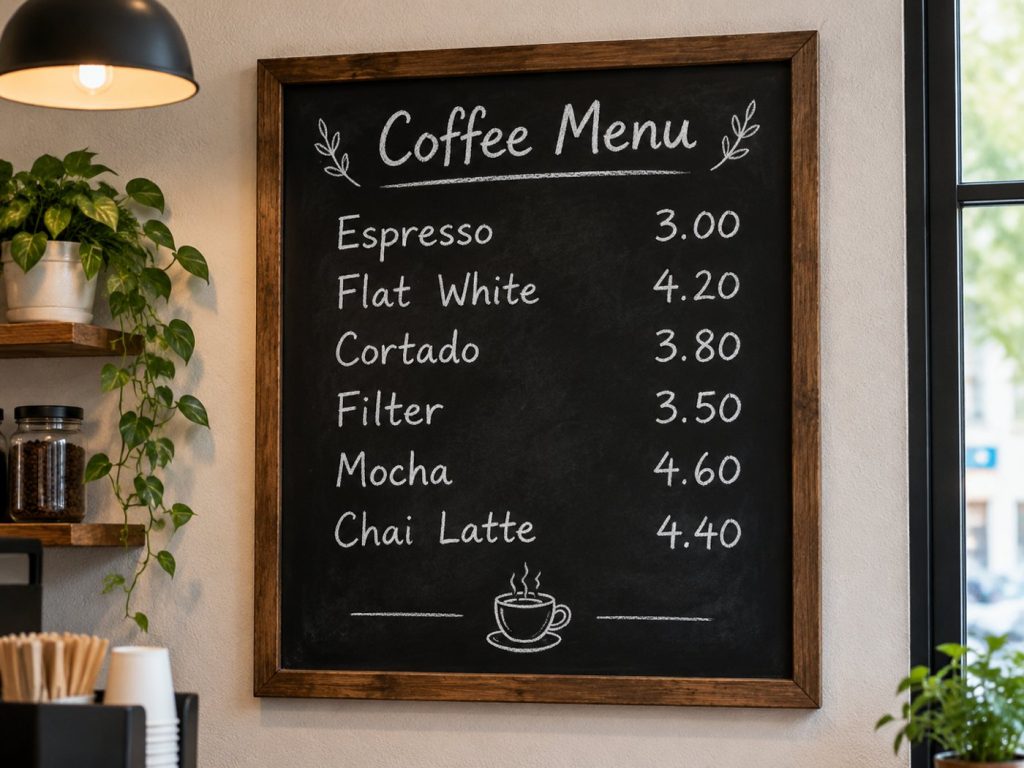
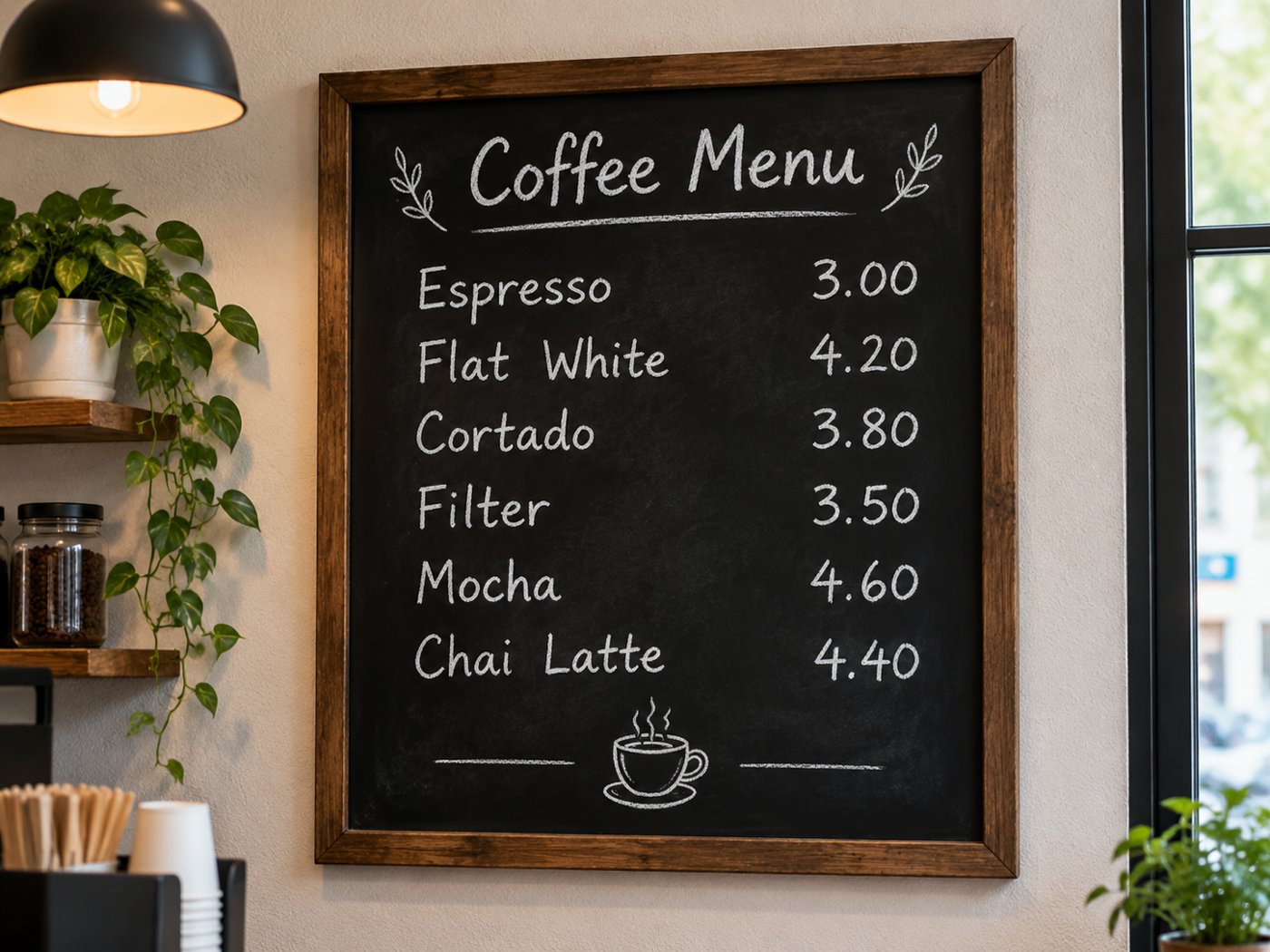
Every line is right. Espresso 3.00, Flat White 4.20, Cortado 3.80, Filter 3.50, Mocha 4.60, Chai Latte 4.40. The heading is correct, the alignment holds, and the decorative chalk flourishes did not turn into letter soup.
This changes what is worth asking for. Signage mockups, packaging comps, menu boards, shelf talkers — the category of work that everyone learned to avoid is back on the table.
Test 2 — hands. Also works.
Two hands, interacting with an object, both fully visible. This was the canonical failure case.
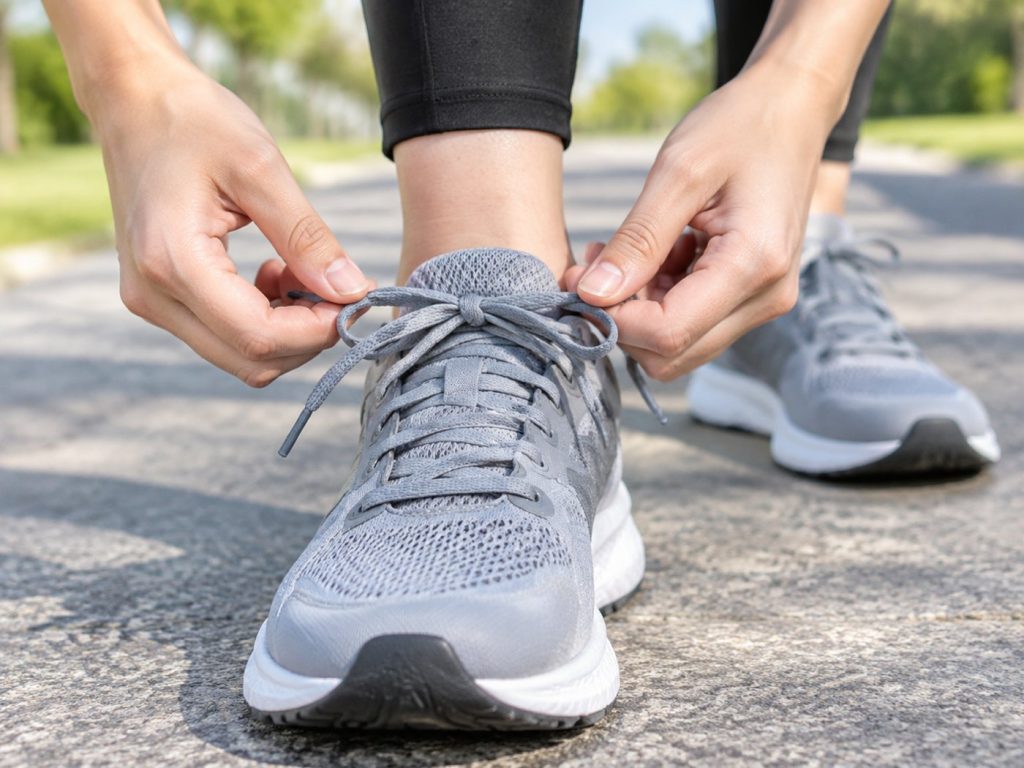
Ten fingers, plausible joints, a grip that makes physical sense for the task. Not a lucky crop — both hands are in frame and doing something specific.
Test 3 — counting. Still broken.
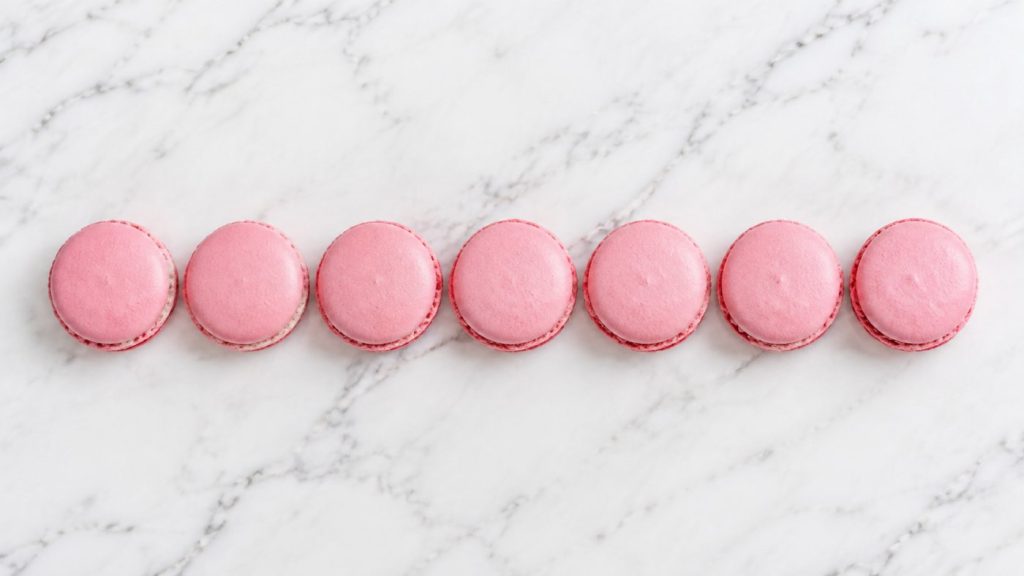
Small numbers are fine. Seven macarons, asked for and delivered:
Then we asked for thirteen eggs in an open carton.
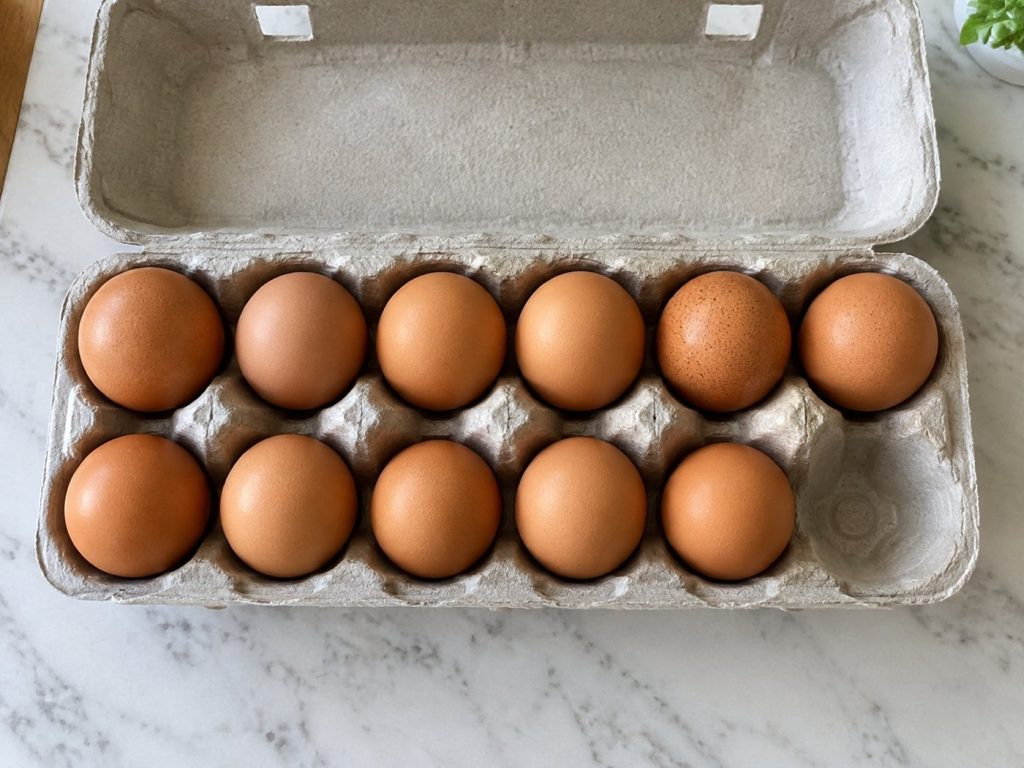
Count them: eleven, in a twelve-slot tray, with one hollow left empty. Not thirteen, and not even a full twelve.
The failure is informative. The model is not counting and then drawing; it is producing a plausible arrangement of the thing you named. Egg cartons come in sixes, tens and twelves — thirteen is not a shape the world contains, so it reached for the familiar object and filled it approximately. Ask for a number that matches a real container and you are far more likely to get it; ask for an arbitrary one and you are gambling.
What to do about the one that still fails
- Do not rely on an exact count above a handful. If the number matters — a set of five product variants, a dozen of something — verify every image before it ships.
- Crop the count out. If the quantity is decorative rather than meaningful, frame so that the edge of the group falls outside the picture. Nobody counts what they cannot see the end of.
- Pick numbers the world uses. Six, ten, twelve, a pair. These map onto real packaging and real arrangements, and they land far more reliably than thirteen.
The broader point
Two of the three things everyone still repeats about AI images are out of date, and one is not. That ratio is the actual lesson: guidance in this area has a short shelf life, and most of what circulates was written against a model generation that no longer exists.
Before you design your workflow around a limitation, spend one generation testing whether it is still there. It costs a few credits and it occasionally gives you back a whole category of work you had written off.
And the limit that has not moved at all: none of this makes a generated picture a photograph of your actual product. That boundary is not technical, and no model release is going to shift it.
Start with 300 free credits — no card required